
Inventory replenishment is the process of deciding when to reorder stock, how much to order and which location it goes to, so that items stay available without tying up more cash in inventory than demand justifies. A replenishment method is the rule that makes those decisions: a trigger, a quantity and a destination.
That sounds simple until you multiply it out. A grocer with 2,500 stores and 3,500 SKUs has up to nine million store-item combinations to plan. Most of the methods below were designed for one warehouse and one buyer with a spreadsheet. They still work, as long as you know where each one breaks.
What Is Inventory Replenishment?
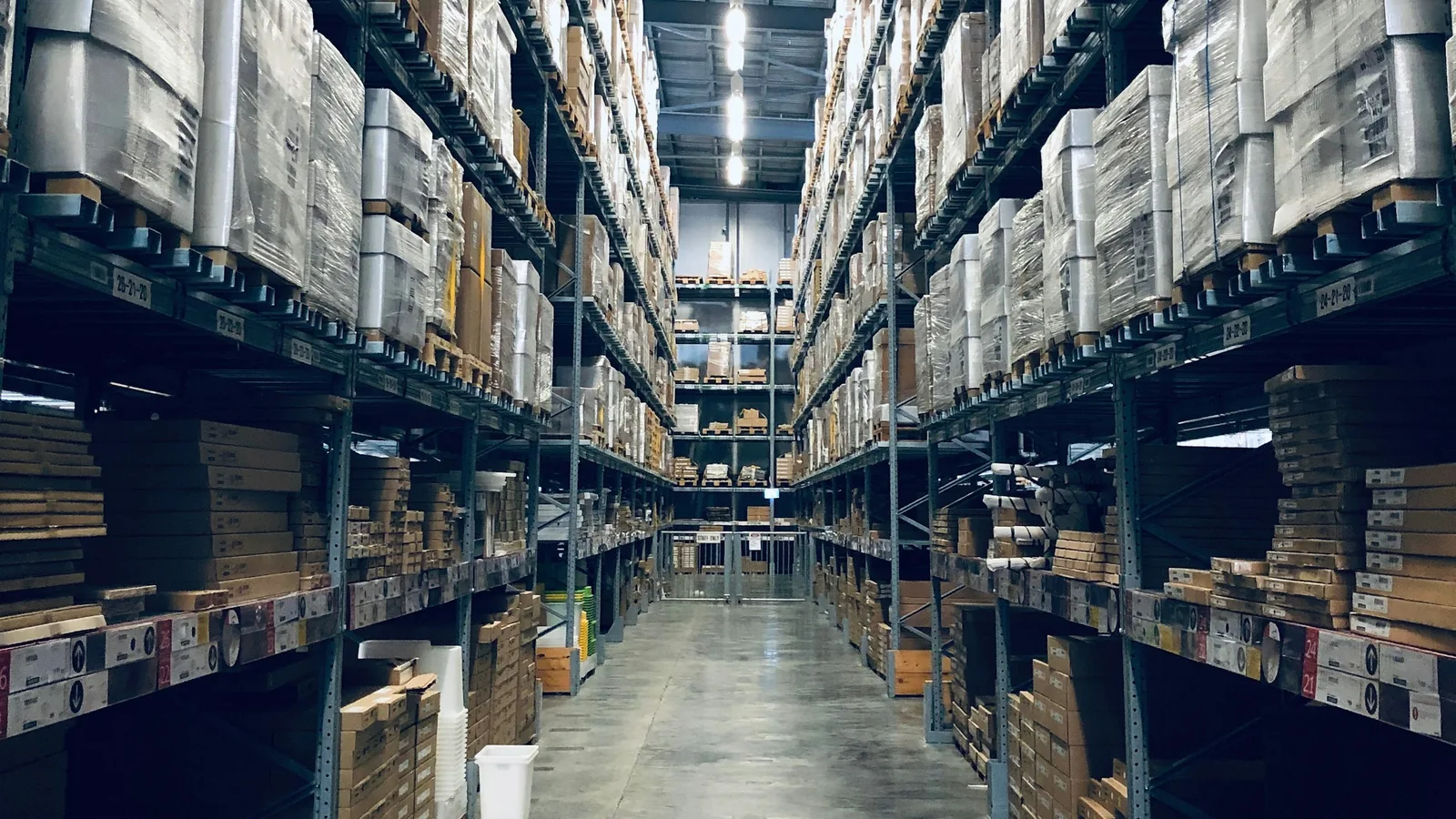
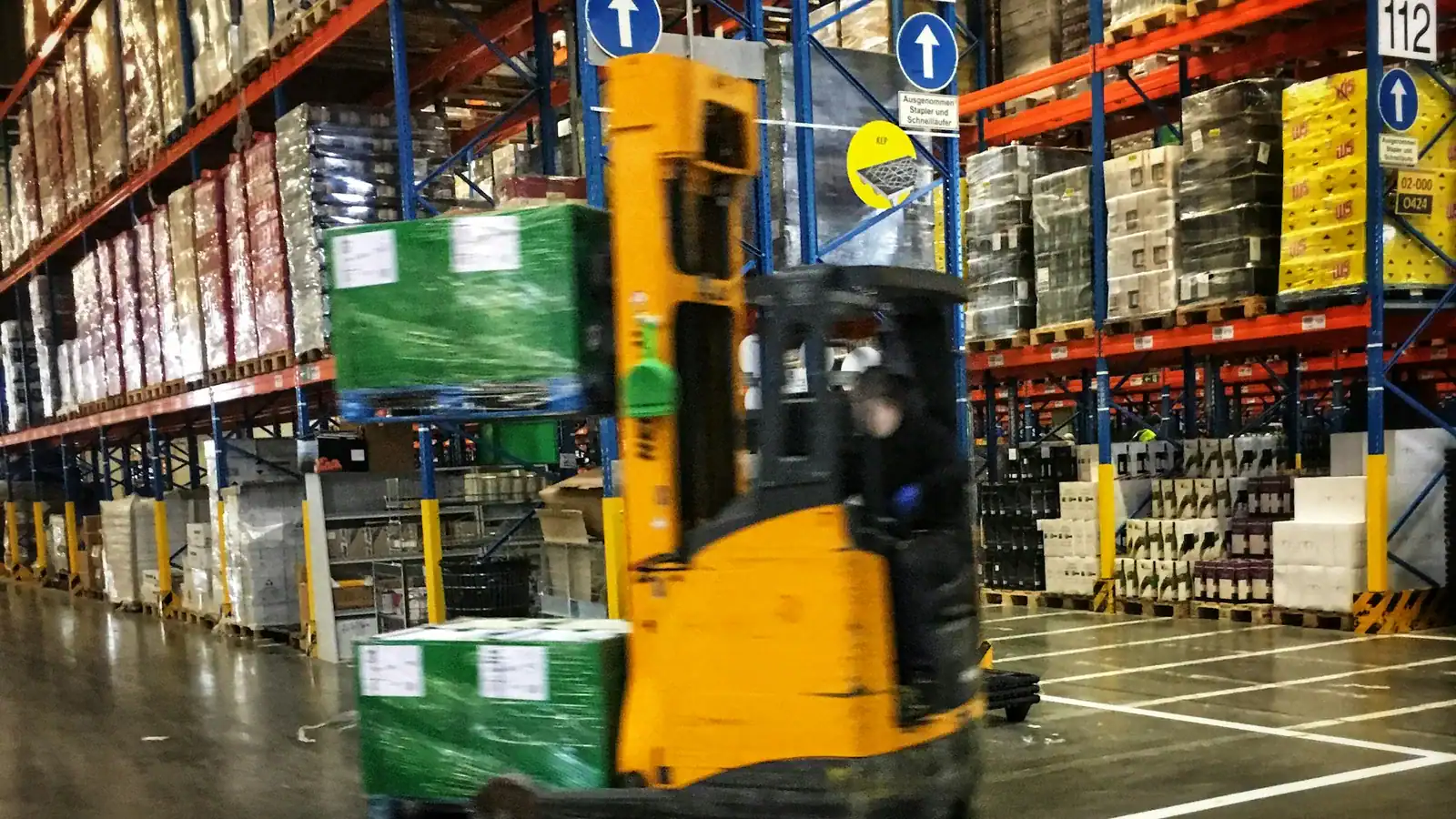
Inventory replenishment (also called stock replenishment; the two terms mean the same thing) moves stock from where it is held to where it will sell before the shelf or pick face runs out. In retail that usually covers three tiers: suppliers ship to distribution centers, DCs ship to stores, and stores refill shelves from the back room.
Replenishment is related to procurement but isn’t the same job. Procurement chooses suppliers and negotiates terms. Replenishment uses those terms (lead times, pack sizes, minimum order quantities) to decide the next order. A buyer signs the contract once a year, while the replenishment decision gets made again every day.
What Causes Out of Stocks in Retail?
Out of stocks (stockouts) happen when demand during the lead time is higher than the stock available to meet it. The usual causes are forecast error, lead-time variance, wrong inventory records and order rules nobody updates. Most of them start inside the retailer, in the store and in how orders are set.
The cost is large. NielsenIQ estimated that US retailers lost about $82 billion in missed sales from empty shelves in 2021. A widely cited worldwide study by Gruen, Corsten and Bharadwaj for GMA, FMI and CIES (2002) put the world average out-of-stock rate at 8.3%. It traced 70 to 75% of stockouts to the retail level, with nearly half coming from store ordering and forecasting.
What each cause looks like on the ground:
- Forecast error. The order assumed last month’s demand, and a heatwave, a promotion or a competitor’s closing changed it.
- Lead-time variance. The supplier promised four days and took six, and safety stock was sized for four.
- Inventory record errors. The system thinks there are 12 units; the shelf has none. This is phantom inventory, and it quietly blocks reorders because the system sees no need to order.
- Order rules that never change. A min-max level set two years ago for a product that has since doubled its sales.
Only lead-time variance sits with the supplier. Better forecasting, parameters that update themselves and accurate stock records fix most of the rest.
Inventory Replenishment Methods
The standard trigger rules are the reorder point (continuous review), min-max and periodic review (order-up-to). EOQ, two-bin, kanban, VMI and DDMRP adjust those rules or replace them. Some vendors add their own labels, such as top-off and on-demand, which mean different things in different tools.
Reorder Point (Continuous Review)
You order a fixed quantity whenever inventory position (stock on hand plus stock on order, minus orders already committed) falls to the reorder point. The formula:
Reorder point = average daily demand × lead time in days + safety stock
If a DC sells 40 cases a day, the supplier takes 5 days and you hold 60 cases of safety stock, you reorder at 260 cases. Safety stock is commonly sized as a service-level factor (z) times the standard deviation of demand over the lead time, with an extra term for lead-time variability when supply is unreliable. Continuous review works at any location, but it needs accurate, current stock records. Give it phantom inventory and it fails without telling you, because the position it watches never falls.
Min-Max and Two-Bin
When inventory position drops to the minimum, you order enough to get back to the maximum. Min-max is widely used in store ordering because store teams find it easy to understand, and many store systems check it only on fixed order days. Its weakness is that someone has to revisit the min and the max. A product whose sales doubled last year still orders to last year’s levels until a planner notices.
Two-bin is a physical reorder-point signal. Stock sits in two bins; when the first empties, you work from the second and send the empty bin back as the order. The second bin holds enough to cover the lead time. It suits low-value parts, consumables and production lines, where counting every unit costs more than the parts themselves.
Periodic Review (Order-Up-To)
You check stock on a fixed schedule and order up to a target level:
Order-up-to level = average daily demand × (review period + lead time) + safety stock
A store that reviews weekly, gets deliveries 2 days after ordering and sells 30 units a day targets 270 units plus safety stock. Each order day it orders the difference between that target and its inventory position. Ordering on fixed days lines up with delivery routes and supplier cut-offs, which is why many grocers order stores this way. The cost is extra safety stock, since the target has to cover the review period as well as the lead time.
EOQ: An Order Size, Not a Trigger
The economic order quantity balances the cost of placing an order against the cost of holding stock: EOQ = √(2 × annual demand × cost per order ÷ holding cost per unit per year). It tells you how much to order, not when. In practice pack sizes, pallet quantities and truck capacity override it, so treat EOQ as a sanity check on the quantity your trigger rule produces.
Top-Off and On-Demand Replenishment
These are vendor terms rather than textbook ones. Some tools use “top-off” for refilling store or pick-face stock to a set level during quiet hours, and others use it for any order back up to a target. “On-demand” usually means replenishment triggered by an event, such as an empty pick face or a large online order. Ask which rule sits underneath before you compare tools.
Kanban, JIT and VMI
Kanban uses cards or signals to pull material only when it is consumed. It comes from manufacturing, as does just-in-time, which aims to receive stock as close as possible to when it is used. Vendor-managed inventory hands the replenishment decision to the supplier, who sees your stock and sales data and ships to agreed levels. VMI moves the work to the supplier, but the rule the supplier uses still has to be a good one.
Demand-Driven Replenishment and DDMRP
DDMRP (Demand Driven Material Requirements Planning) is a named methodology from Ptak and Smith (Demand Driven Material Requirements Planning, 2nd ed., 2018). It places stock buffers at chosen points and splits each buffer into red, yellow and green zones. When the net flow position falls to or below the top of yellow, it orders up to the top of green. Forecasts size the buffers, but orders follow actual demand.
Retail demand-driven replenishment is a different method. Store and DC orders are generated from a store-level forecast that the system recalculates daily, including promotions, events and shelf life. Solvoyo calls this demand-driven replenishment, and it is the approach behind the Şok, Mopaş and A101 results further down.
Which Replenishment Method Fits Which Product?
Use a reorder point or min-max for steady sellers with reliable stock records. Use periodic review where deliveries run on fixed days across many stores. Use a forecast-based, demand-driven method once promotions, seasonality or short shelf life make past averages a poor guide to next week. The table adds the main risk of each.
| Method | Trigger | Best for | Shelf-life fit | Main risk |
|---|---|---|---|---|
| Reorder point | Inventory position falls to a set level | Steady demand, accurate stock records | Weak: ignores expiry | Fails silently when records are wrong |
| Min-max | Inventory position falls to the minimum | Stores, simple assortments, stable sellers | Weak | Levels go stale as demand changes |
| Periodic review | Fixed schedule | Fixed delivery days, many stores | Fair, with short review periods | Extra safety stock to cover the review gap |
| Two-bin / kanban | Physical signal | Low-value parts, production lines | Not used for perishables | Not suited to store shelves or online stock |
| VMI | Supplier sees your data | Suppliers with good data and capacity | Depends on the supplier’s rule | The rule moves outside your control |
| Demand-driven (forecast-based) | Daily forecast and stock position | Promotions, seasonal and fresh items, large networks | Strong when expiry is modeled | Needs clean data and planners who trust the output |
Inputs That Decide Whether Any Method Works
The trigger rule gets the attention, but the inputs decide the result. Six of them matter most:
- The forecast. It should include promotions, holidays, weather and local events. Demand sensing shortens the gap between a demand shift and the next order. See also demand planning.
- Lead times as they really are, including their variance, not the number in the supplier contract.
- Safety stock sized to volatility, recalculated as demand and supplier reliability change. Fixed levels drift out of date.
- Pack sizes, minimum order quantities and shelf capacity. A perfect forecast of 7 units still arrives as a case of 12.
- Shelf life for anything that expires.
- Inventory accuracy. Every method above orders against the stock record, so a wrong record means a wrong order.
With accurate inputs, most rules perform acceptably; with wrong ones, none do. Inventory planning is where those inputs get set.
Replenishment in Grocery and Multi-Store Retail
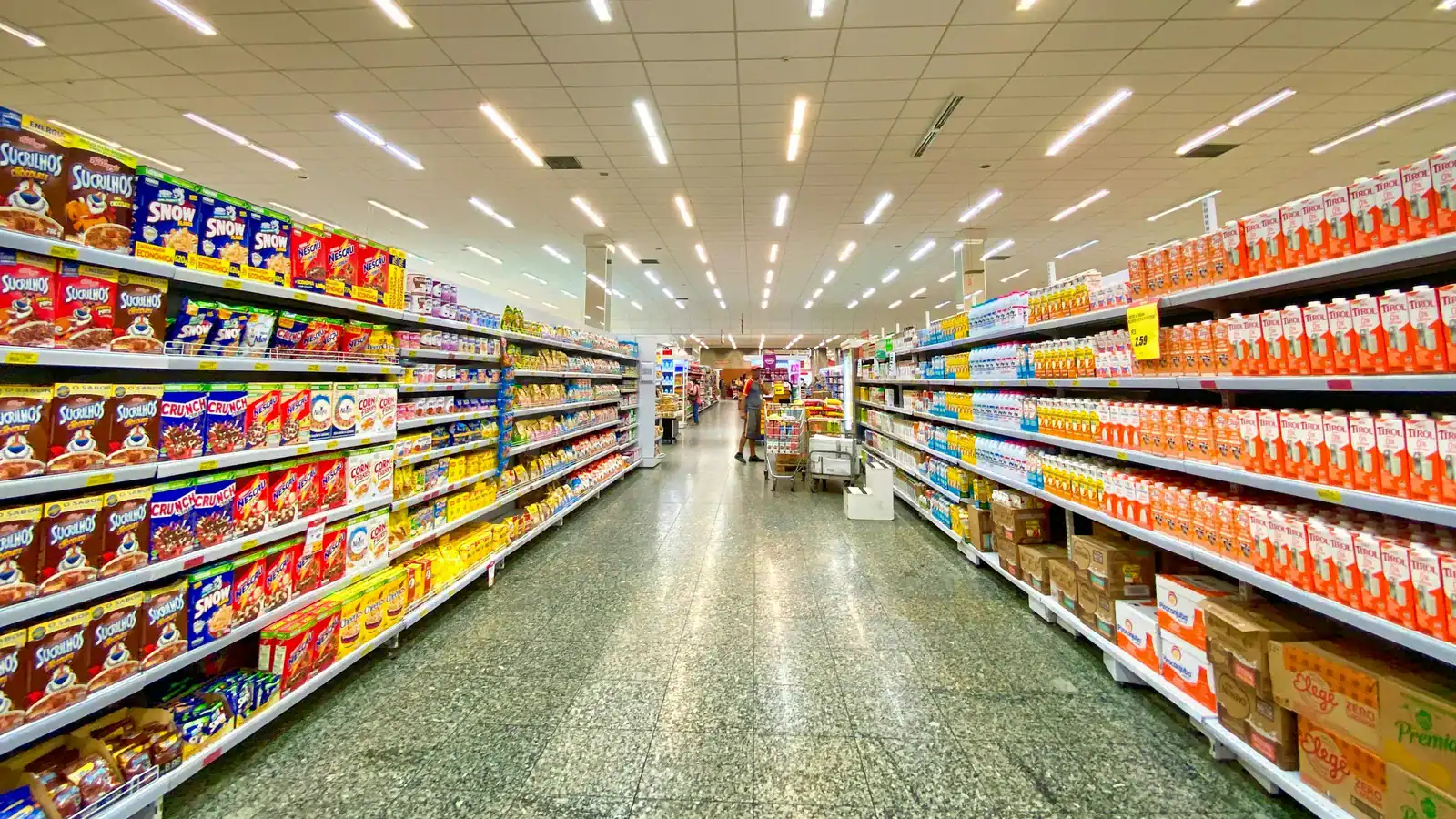
Grocery is where replenishment gets hard. Each store needs its own order, and fresh items last days. A promotion can triple demand for a week while the DC order has to anticipate what hundreds of stores will order next.
Retailers that move from store-written orders to central, forecast-driven replenishment report large gains. Şok, a hard discounter that then had 2,500 stores, replaced a manual process that reacted to store orders with demand-driven automated replenishment. Stock-outs fell 38%, stock-days fell 13% and waste on short shelf-life products fell 8%. Mopaş, a grocer with 121 stores, saw lost sales fall 58% and inventory cost fall 14%. A101 cut stock-outs by 50% while holding 18% less inventory.
Fresh needs one more step. İstegelsin, a rapid grocery delivery company, plans fresh produce through a crossdock serving 23 dark stores and recalculates dark-store allocations when each truck arrives, using the quantity actually received. Across that fresh crossdock scope, about a quarter of its revenue, fresh product availability rose 14 points, from 72% to 86%, within a year of go-live. The perishables replenishment guide covers store-level fresh ordering in more detail, and the grocery page shows how the decisions connect.
What Is Automated Replenishment?
Automated replenishment means the system generates purchase orders and transfers itself instead of only flagging items that need attention. With alerts, a person still writes every order. With automated orders, that person reviews exceptions.
Automated replenishment is only useful if planners accept its orders without editing them, and that comes down to recommendation quality. The forecast has to reflect promotions and local demand. Safety stock has to move with volatility, and the orders have to respect pack sizes, delivery days and shelf life. When those hold, acceptance follows: at Mopaş, users accept 93% of the store replenishment decisions. That share is the user acceptance rate, and it says more about a replenishment system than a feature list does. Solvoyo, a supply chain decision automation platform, runs store, DC and online replenishment this way through its omnichannel inventory and replenishment solution.
How to Measure Replenishment Performance
Track availability and cost together, or you’ll improve one by damaging the other:
- On-shelf availability or fill rate: the share of demand you could serve.
- Lost sales: demand you missed, estimated from stockout periods.
- Inventory days or turns: the cash cost of the availability you achieved.
- Waste and markdowns on short-life and seasonal items.
- User acceptance rate: the share of system-generated orders planners accept.
A replenishment change has worked when availability rises while stock and waste stay flat or fall. If availability rose only because inventory rose, the method didn’t improve; the budget did.
Frequently Asked Questions
Procurement selects suppliers and sets commercial terms such as price, lead time and minimum order quantity. Stock replenishment works within those terms to decide each order: when to reorder, how much, and for which location. Procurement decisions are made occasionally, replenishment decisions daily or weekly.
As often as delivery costs allow. In many grocery chains, fresh items arrive daily and packaged goods several times a week, while DC orders to suppliers often follow fixed supplier days. More frequent, smaller orders lower stock and waste but raise transport and handling cost, so the right frequency is a trade-off for each item.
Min-max orders up to the maximum only when stock is at or below the minimum. Order-up-to (periodic review) places an order at every review, sized to bring stock back to the target. Many store systems check min-max on fixed order days, so in practice the difference is the reorder threshold, not how often stock is checked.
The reorder point has to cover demand during the lead time, so a longer lead time means an earlier order. Safety stock covers the uncertainty in both demand and lead time. When either becomes more variable, safety stock has to rise to keep the same service level, which is why fixed safety stock levels drift out of date.