Transport and Fulfillment Planning
Optimize every movement in your supply chain network (from supplier to central warehouse, from central warehouse to regional distribution centers, and from distribution centers to stores) on a single connected platform with cognitive disruption management that treats transportation not as an operational afterthought but as a core planning variable with measurable cost and service consequences at every leg.
 5%
5%
 5%
5%Transportation cost
 +95%
+95%
 +95%
+95%Decision Automation

Don’t take our word for it
“80% of IT tools investment fails if the partners don’t strive to continuously improve and adapt. That is what sets our partnership with Solvoyo apart.”
“With Solvoyo, we eliminated spreadsheets from the process and simultaneously increased process speed and planner efficiency across all regions.”
“Solvoyo is not just a great platform to support your replenishment process. It is also a great team to support you with insights and guidance on the road to improved efficiency. A true partnership.”
“Solvoyo has been a very effective solution partner in our fast growth and digital transformation journey. Using Solvoyo’s platform for fashion planning solutions, we were able to bring automation to buy planning and size optimization decisions.”
“With a network of 9800 stores, supply chain disruptions and uncertainty are normal for us, we keep opening hundreds of new stores and multiple DCs every year. With advanced analytics and automation, we planned for this level of complexity way ahead of our competitors.”
“When I write or speak about supply chain management, I always state that the purpose of a supply chain is to do one thing – enable growth. I believe Solvoyo is the optimal supply chain platform to help companies achieve the growth they desire.”
-

CPG Fulfillment at Scale: How Unilever Automates Decisions Across 20+ Brands
Read more ->: CPG Fulfillment at Scale: How Unilever Automates Decisions Across 20+ BrandsWhen your supply chain serves over 400 distributors and retailers and manages thousands of SKUs daily, inefficiency isn’t just costly,…
-

Concurrent planning of inventory, fulfillment & transportation
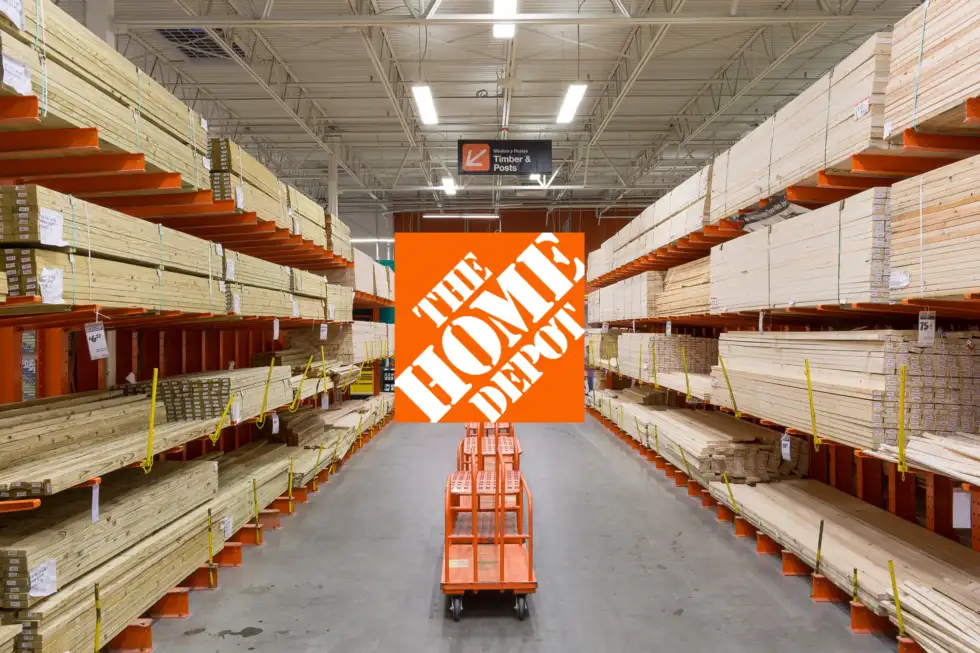
Read more ->: Concurrent planning of inventory, fulfillment & transportationHome Depot – Major Home RetailerHome Depot optimized Total Cost to Serve with explicit trade-offs among inventory, transportation and store…

Solvoyo Platform

Intelligence Built into Every Movement
Inbound Transportation Planning
Coordinate supplier pickups, consolidate inbound loads, and align raw material arrivals with production schedules, eliminating the stoppages that uncoordinated inbound causes.
Model every inbound flow (supplier origin, purchase order timing, raw material lead times, and production line sequencing requirements) and build consolidated inbound routes that maximize truck fill rates while meeting the delivery windows production depends on. Evaluate make-or-buy and carrier-mix decisions quantitatively, forecast future inbound freight volumes by mode and lane to support carrier bidding cycles, and exchange data with suppliers and 3PLs in real time through any digital interface, ensuring inbound transportation and procurement planning operate from the same plan rather than two disconnected systems.
Outbound Transportation Planning
Plan the movement of finished goods from the central warehouse to regional DCs as a single integrated decision, not a routing exercise run after the replenishment plan is already fixed.
Automate concurrent planning of priority-based order fulfillment and outbound transportation, align production to maximize truck fill rates, and coordinate inbound runs with optimal production sequence. Build multi-stop, multi-modal, and multi-day outbound routes from the central warehouse to regional DCs with full visibility to delivery time windows, complex tariff structures, dedicated fleet constraints, and hours-of-service regulations. When the replenishment plan changes, due to a demand shift or a supplier disruption, the outbound transport plan recalculates automatically, keeping load consolidation and route efficiency intact without a manual re-planning cycle.
Micrologistics Planning
Plan the daily movement from the distribution centers to the stores with the route density, vehicle utilization, and delivery window precision that last-mile economics demand.
Model every DC-to-store delivery leg against store-level receiving windows, vehicle capacity constraints, route geography, delivery frequency policies, and replenishment work order priorities, building optimized daily routes that maximize drop density and vehicle utilization while meeting the in-store availability commitments the replenishment plan requires. Exchange work orders and delivery confirmations with WMS systems automatically, track delivery performance against service level targets in real time, and feed actual delivery outcomes back into route planning to improve schedule accuracy progressively, turning the most cost-intensive and time-sensitive leg of the supply chain into a manageable, data-driven operation.
Concurrent Optimization
Solve fulfillment and transportation as a single optimization problem across fulfillment and transportation decisions, then compare objective functions side by side before committing to a plan.
Rather than optimizing fulfillment first and routing second, Solvoyo’s concurrent optimization engine solves both simultaneously, encoding inventory priorities, vehicle capacity, delivery windows, carrier costs, and service level targets into a single model and producing a plan where every fulfillment decision is aware of its transportation consequences, and every routing decision is aware of the inventory it must serve.
Run the same scenario against multiple objective functions in parallel:
- Maximize OTIF: prioritize service level performance across all deliveries, accepting higher transportation cost where necessary to protect on-time, in-full commitments.
- Minimize Cost: identify the lowest-cost fulfillment and routing configuration that still satisfies service level floor constraints, surfacing structural savings opportunities that routing-only tools cannot see.
- Balanced Scenario: optimize across a weighted combination of cost and service objectives simultaneously, producing the efficient frontier between the two extremes and quantifying the cost of each additional percentage point of OTIF improvement.
- Custom Scenarios: modify any input parameter directly: change delivery frequency, adjust vehicle mix, shift carrier allocation, override service level targets for specific store clusters, or model a network change such as a new DC or a route restructure, and generate a fully optimized plan for that configuration in minutes. Compare the custom scenario against the standard objective functions on the same screen, with cost and service metrics shown side by side, before authorizing the preferred plan into execution.
Fulfillment Visibility & KPI Tracking
Connect fulfillment priorities, transportation decisions, and real-time network visibility on one platform, so every movement serves the service level target, not just the routing algorithm.
Exchange data and intelligence with multiple sources (ERP, WMS, TMS, and CRM for enterprise data, as well as embedded sensors on trucks, navigation devices, and package tracking services) to maintain a live view of every active shipment across all three transportation legs simultaneously. Track OTIF rates, truck utilization, cost per delivery, and route adherence continuously against plan, and surface performance gaps as actionable exceptions before they become customer service failures or carrier penalty events.
Solvi-Cognitive Disruption Detection
Detect supply chain disruptions as they emerge across all three transportation legs, and receive prioritized, prescriptive actions before the disruption reaches the shelf.
With Solvoyo’s AI agent Solvi, continuously monitor every signal that indicates the active plan is at risk: supplier OTIF degradation, inbound late arrivals, vehicle breakdowns, severe weather events closing routes or restricting access, DC throughput constraints, and demand spikes outpacing current delivery schedules. Classify each deviation by its downstream service and cost impact, rank exceptions by urgency, and attach a prescriptive corrective action (reroute around weather-affected corridors, resequence stops, substitute carrier, expedite inbound, reallocate DC inventory) before the disruption compounds. Forward-looking pattern recognition also flags developing risks before they fully materialize, converting disruption response from reactive fire-fighting into a managed, exception-driven planning workflow.
Solvoyo Differentiators

Autonomous Decision Making
Executes high-quality supply chain decisions with little to no planner intervention.

95%+ User Acceptance
Drives recommendations planners trust enough to accept and execute at scale.

Optimization + AI + Heuristics
Combines mathematical rigor and machine intelligence to outperform rule-based planning.

Real-World Constraint Modeling
Builds real-world operational constraints directly into every decision the system makes.

Network Wide Objective Solving
Optimizes cost, service, inventory, and feasibility across the full supply chain at once.

Unified Data and Execution
Connects data, planning, diagnostics, and action in one system built for execution.
See it run on your own data
See how Solvoyo turns your supply chain plans into decisions that run on their own.


Frequently Asked Questions
Concurrent optimization solves fulfillment and transportation as a single model rather than two sequential problems. When fulfillment is optimized first, deciding what to ship to whom, and routing is optimized second against those fixed fulfillment decisions, the routing model inherits constraints it cannot change, producing plans that are locally optimal for each function but globally suboptimal for the network. Concurrent optimization removes the handoff entirely: customer priorities, delivery windows, vehicle capacity, carrier costs, and service level targets are all encoded in a single model, producing a plan where every fulfillment decision is aware of its transportation cost and every route is aware of the inventory it serves.
Each objective function instructs the optimization engine to weight the trade-off between cost and service differently. Maximize OTIF prioritizes on-time, in-full delivery performance across all deliveries, accepting higher transportation cost where necessary to protect service commitments. Minimize Cost finds the lowest-cost configuration that still satisfies service level floor constraints, surfacing structural savings opportunities that are invisible to routing tools focused only on daily operations. The Balanced scenario optimizes across a weighted combination of both objectives simultaneously, producing the efficient frontier between cost and service and quantifying exactly how much additional transportation spend each incremental improvement in OTIF requires.
Custom scenarios give planners and logistics managers the ability to model any network or policy change and generate a fully optimized plan for that configuration without IT involvement. Users can modify delivery frequency, adjust vehicle mix or fleet size, shift carrier allocation between contracted carriers, override service level targets for specific store clusters or geographic regions, change DC-to-store assignment rules, or model a structural change such as opening a new DC or consolidating a route structure. Each custom scenario produces a complete cost and service output that can be compared against the standard objective function scenarios on the same screen before any plan is authorized into execution.
Inbound transportation covers the movement of raw materials and finished goods from suppliers into the central warehouse, planned against purchase order timing, supplier lead times, and production schedules to maximize truck fill and prevent production stoppages. Outbound transportation covers finished goods movement from the central warehouse to regional distribution centers: co-planned with replenishment decisions to balance load consolidation, delivery frequency, and DC inventory targets. Micrologistics covers the final leg from the distribution center to the stores, planned at the route and vehicle level against store delivery windows, vehicle capacity, and daily replenishment work orders generated by the supply planning system.
Solvoyo builds daily DC-to-store routes by encoding every binding constraint simultaneously: store receiving windows, vehicle payload and volume capacity, driver hours-of-service regulations, route geography and travel time matrices, replenishment frequency policies, and WMS work order priorities. The optimization engine constructs routes that maximize drop density, the number of profitable stops per vehicle per day, while meeting every delivery commitment the replenishment plan requires. Actual delivery outcomes feed back into the route planning model continuously, improving schedule accuracy over time and surfacing stores or routes where structural inefficiencies require a network or policy change rather than just a routing adjustment.
Solvoyo exchanges data and intelligence with multiple sources (ERP, WMS, TMS, and CRM for enterprise data, as well as services that provide data from embedded sensors on trucks, navigation devices, and package tracking services) to maintain a live view of every active shipment across all three transportation legs simultaneously. OTIF performance, truck utilization, cost per delivery, and route adherence are tracked continuously against the plan generated by the concurrent optimization engine, with exceptions surfaced to planners and logistics managers before they escalate into customer service failures or carrier penalty events. Every realized outcome feeds back into the planning models, improving future plan accuracy across inbound, outbound, and micrologistics operations.