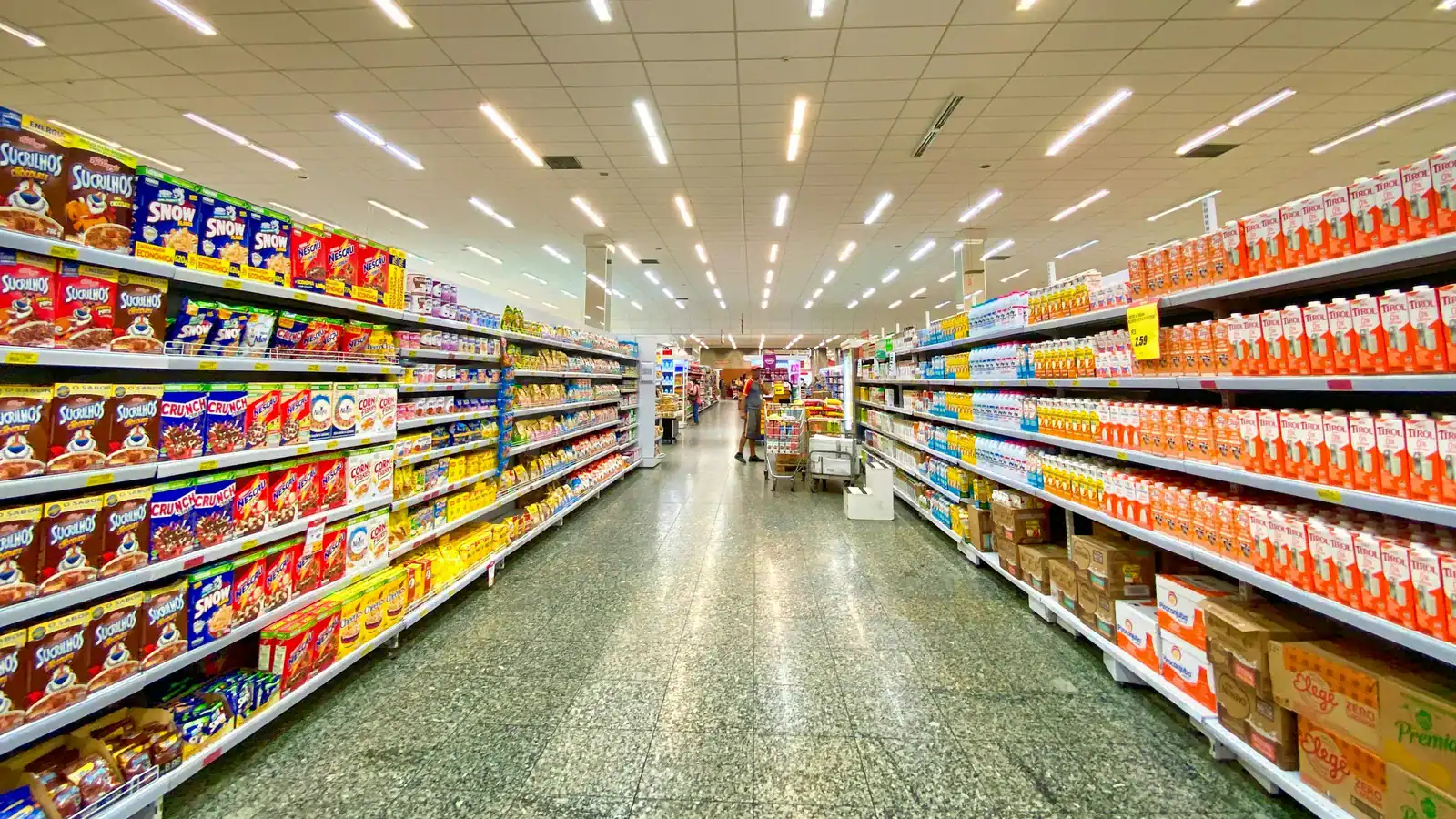
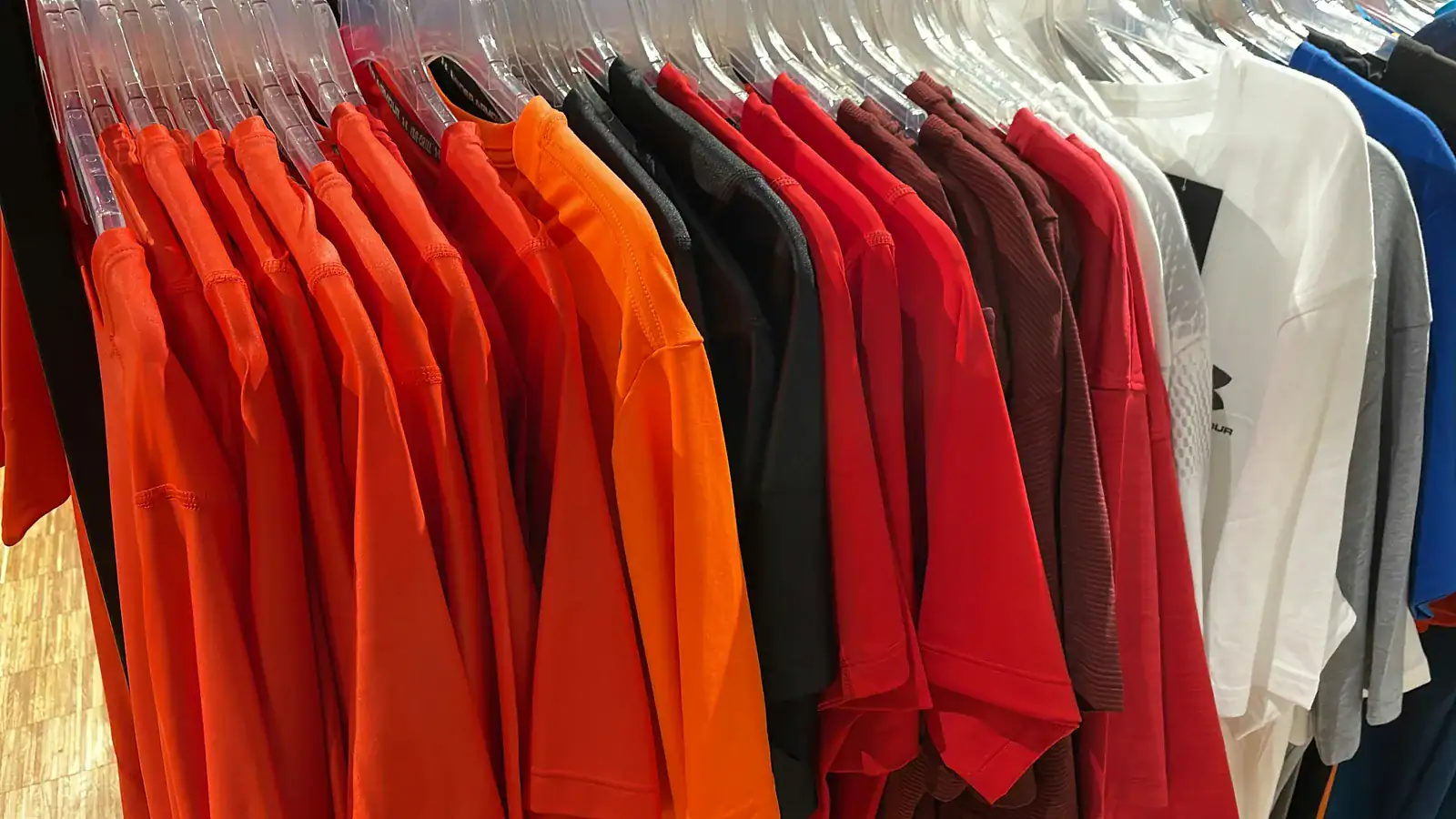

Most Black Friday forecasts are right. Black Friday replenishment is where shelves go empty.
Adobe forecast last year’s Cyber Monday at $14.2 billion of US online spending. It came in at $14.25 billion. That is about as close as forecasting gets.
Shelves still went empty. Somewhere that same weekend, a shopper walked up to the gap where the deal item should have been. But 20 miles away, the same item sat on a pallet in a backroom. Still, both stores reported a good forecast. The stock was in the wrong place: one lost the sale, and the other would mark the item down in January.
But a forecast, however good, doesn’t put anything on a shelf. A replenishment decision does: which product, to which store, how many, on which day. Between 11.11, Black Friday and Cyber Monday, that decision has to be made for every product in every store, every day. That is more decisions than any planning team can make by hand. So the decision needs automating, and the automation should be judged by how good each recommendation is.
Why a good Black Friday forecast still leaves shelves empty
A forecast answers one question: how much will sell? It usually answers it for a country, a channel or a category, and for a week. But shoppers don’t buy at that level. They buy one product, in one store, on one afternoon. Getting from the forecast to that shelf takes a separate decision. That is where the money is lost.
IHL Group’s 2025 inventory distortion study puts the combined cost of out-of-stocks and overstocks at $1.73 trillion a year for retailers worldwide. That is about 6.5% of global retail sales. Both happen in the same year. Too little of one thing here, too much of another there.
The peak is getting bigger. Adobe expects US shoppers to spend $15.1 billion online on Cyber Monday (30 November 2026). Across Cyber Week, the five days from Thanksgiving to Cyber Monday, it expects $47.5 billion in US online spending. So a bigger peak means more of the same decisions, made faster.
What does a replenishment decision settle that a forecast doesn’t?
| Question | Forecast | Replenishment decision |
|---|---|---|
| How much of this product will sell next week? | Yes | Uses it as an input |
| Which stores get the stock when there isn’t enough for all of them? | No | Allocates it |
| How many units go to each store? | No | Sets the quantity, rounded to pack sizes and display minimums |
| Which day does it ship, on which truck? | No | Schedules it against warehouse and transport capacity |
| What happens when the first weekend sells differently than planned? | No | Rebalances stock between stores |
Each of those answers costs money when it’s wrong. None of them gets better just because the forecast did.
How much does better placement of the same stock add?
Zara is the best-documented example. With researchers Felipe Caro and Jérémie Gallien, the retailer replaced the way it split limited stock across its stores with an optimization model. In a controlled pilot against the old process, the paper reports that the new allocation increased sales by 3% to 4%. The authors put that at $275 million in additional revenue for 2007 (Caro and Gallien, Operations Research, 2010). It also reduced transshipments between stores.
Same stock, better placement: the gain came from deciding more precisely where the units already in the network should go.
Can planners make these decisions by hand during peak season?
Not at peak volume. A grocer with 2,500 stores and 3,500 SKUs has up to nine million store-item combinations to plan. During promotion weeks, demand for each combination moves daily. As a result, every one of them needs a quantity before the truck is loaded.
The evidence on manual ordering is old but clear. In a field experiment described in Gruen and Corsten’s guide to out-of-stock reduction (2008), researchers measured out-of-stocks by hand. The study covered 100 SKUs in 10 stores of a major European retailer over two weeks. Categories ordered manually were out of stock 11.7% of the time. Categories on an automatic ordering and replenishment system were out of stock 3.1% of the time. Yet that system ran on simple heuristics.
The store teams had more decisions than time, which is where every retailer stands between 11.11 and Cyber Monday.
How Solvoyo approaches peak-season replenishment
At Solvoyo, we treat replenishment as a set of decisions to automate. We judge the automation by whether a good planner would make the same call. From one demand signal, the platform automates daily store replenishment, allocation of new-season stock, store-to-store transfers, and rebalancing across channels. Four things matter most at peak:
- Recommendations are executable when they leave the system. They respect pre-packs, minimum presentation quantities and pallet and truck constraints, so nobody has to round them in the ERP afterwards.
- Limited stock goes where it will sell. Allocation uses up-to-date store-level sales trends and what similar items did before. That matters most for deal items, since they have no sales history of their own.
- Solvi, our AI planning agent, ranks every action by the lost sales it avoids, so planners see the ones that matter first.
- Planners handle the exceptions. We track User Acceptance Rate (UAR), the share of recommendations planners execute unchanged. If planners change most of them, the recommendations aren’t good enough yet. And the peak is the worst time to find that out.
Two retail customers with steep peaks show the effect. A grocery chain with more than 1,000 stores can see summer demand for everyday essentials jump three to five times. It cut lost sales by 55%, with planners accepting 81% of recommendations. A discount grocer that runs new promotions every week reduced stockouts by 50% on its promotional items. Its purchase orders and store allocations were planned against pallet and truckload constraints.
What to check before the next peak
- Does replenishment run daily at store and SKU level through the peak, or weekly at category level?
- When there isn’t enough stock for every store, who decides where it goes: a model, or the first store to order?
- Do recommendations already fit pack sizes, display minimums and truck capacity, or does someone fix them in the ERP?
- After the first weekend, can you move stock between stores within days?
- How many recommendations did planners change during last year’s peak, and why?
Wherever the answer is “a planner does it by hand”, that is where peak-season sales will leak.
The forecast tells you what will sell. Automated replenishment is what keeps the shelf from being empty when it does. If you want to see how this would work on your own store network before the next peak, book a working session with our team.
Frequently asked questions about peak-season replenishment
Shelves go empty because a forecast measures demand in total, usually for a country, channel or category. Shoppers buy one product in one store on one day. The replenishment decision about which store gets how many units, and when, determines what is on the shelf.
A demand forecast estimates how much will sell. A replenishment decision uses that forecast to set which stores get the stock and how many units each one receives. It also sets which day the stock ships, on which truck, and how it moves between stores after the first weekend.
Allocate limited stock based on up-to-date store-level sales trends and on how similar items sold before. Similar items matter most for deal items, which have no sales history of their own. In Caro and Gallien’s study, Zara’s optimized allocation pilot increased sales by 3% to 4% by placing the same stock more precisely.
Not at peak volume. A grocer with 2,500 stores and 3,500 SKUs has up to nine million store-item combinations to plan every day. In Gruen and Corsten’s field study, manually ordered categories were out of stock 11.7% of the time versus 3.1% for categories on automatic replenishment.
Track user acceptance rate, the share of recommendations planners execute unchanged, alongside lost sales and stockouts. If planners change most recommendations, they aren’t good enough yet, and peak season is the worst time to find that out.