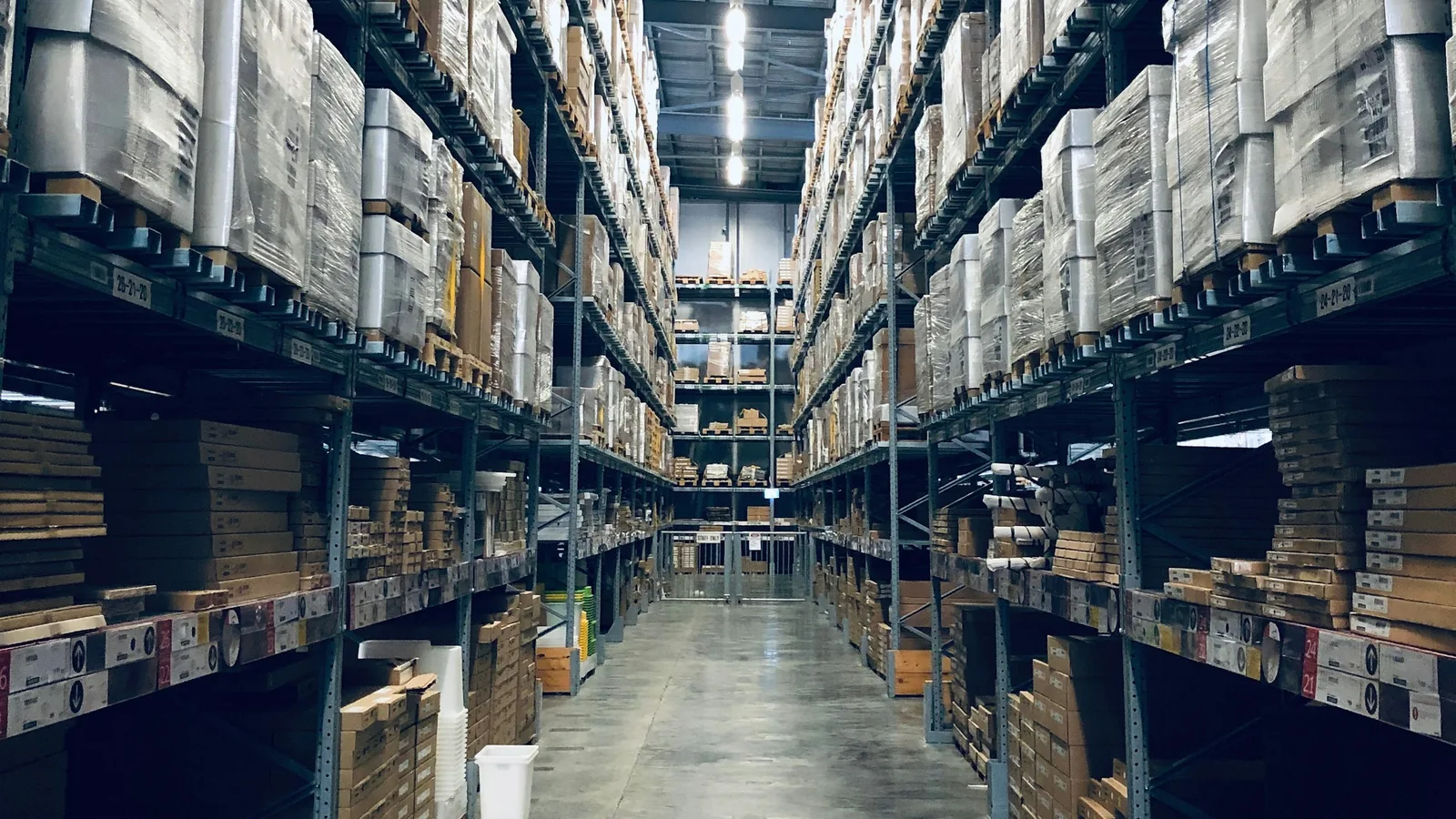


Omnichannel inventory allocation decides how much stock each location holds and which sales channels can use it, when stores, distribution centers and the online shop draw on the same inventory. The aim is to put each unit where it is most likely to sell at full price, through any channel, at the lowest total cost once handling, shipping and markdowns are counted. It replaces separate plans for each channel with one plan for one pool of stock.
How Omnichannel Changes the Role of Inventory
In a single-channel retailer, store stock serves walk-in shoppers and DC stock replenishes stores. Once channels are connected, the same store unit can sell over the counter, be picked for click and collect, or be shipped to an online customer. DC stock can go to a store or straight to a consumer.
That changes what a unit of inventory is worth. Its value now depends on every channel that could sell it next, and on what it costs to get it there. A store with strong local demand and spare picking capacity is worth more stock than its own shelf sales suggest. A DC unit that can serve the whole country is worth more than the same unit sitting in a slow store. Allocation has to price those differences, which is why a plan built for one channel at a time misses value.
Much of the gain shows up at the end of the season. Stock that can reach the customer who wants it sells before it needs a deep discount, which means fewer mass markdowns and less excess inventory.
Should Channels Share One Inventory Pool?
Retailers choose between three broad models:
| Model | How it works | Strength | Risk |
|---|---|---|---|
| Channel-specific stock | Separate inventory for stores and for online | Simple to run and account for | One channel stocks out while the other holds excess |
| Shared pool | Every channel sells from the same stock | Highest availability for the same inventory | Needs accurate stock data everywhere; channels can drain each other |
| Shared pool with reserves | One pool, with protected quantities for a channel or a location | Balances availability with control | Reserves need regular tuning |
A shared pool only works if the system can trust the stock numbers. If a store’s record says five units and the shelf has two, online orders routed to that store fail. Our post on phantom inventory covers how record errors build up and how to find them. Many retailers end up with the third model: a shared pool, plus safety buffers that stop online demand from emptying a store’s display stock or a store from claiming units the web needs.
Should Inventory Be Held Centrally or Deployed to Stores?
The second allocation question is how much stock to hold centrally and how much to push out to stores.
Holding stock centrally pools risk. Demand at one DC is steadier than demand at each of its stores, so the same service level needs less total safety stock. Deploying stock to stores puts it next to the customer, supports pickup and store-based shipping, and fills the shelf that drives in-store sales. It also splits the stock into smaller piles that are harder to move later.
The right split differs by product. Fast sellers with stable demand are usually deployed widely. Slow sellers, long-tail sizes and expensive items are often held centrally and sent to stores or customers as orders arrive. Fashion and seasonal items move between the two as the season goes: the first allocation is a forecast, and later decisions correct it with what actually sold. Store-to-store transfers and rebalancing move stock from where it is not selling to where it is, before it becomes markdown stock. Our post on fashion allocation and replenishment goes deeper on the in-season side.
Which Constraints Does a Standard Network Model Miss?
A typical strategic network optimization decides facility locations and flows using averages: average demand by region, average cost per lane. That is the right tool for footprint decisions, and it falls short for omnichannel allocation, because the binding constraints are local and they change daily:
- Handling capacity: how many online orders a store or DC can pick and pack in a day without hurting in-store service.
- Storage capacity: how much stock a store can hold on the shelf and in the back room.
- Shipping capacity: carrier pickups, cut-off times and parcel volumes at each location.
- Order economics: the margin of an order once picking, packing, shipping and the chance of a split shipment are included.
An allocation plan that ignores these will send stock to a store that cannot pick the online orders it attracts, or hold stock centrally when the parcel network is already full. Inventory allocation also sets up a second decision: which location ships each order when it arrives. That routing choice, and the difference between distributed and dynamic approaches to it, is covered in our post on omni-channel fulfillment: dynamic vs. distributed.
How Do You Measure Omnichannel Inventory Performance?
Channel-level KPIs can hide problems in a shared pool. Useful measures look across channels:
- Availability and lost sales by location and channel, not just in total
- Full-price sell-through and markdown spend at the end of the season
- Inventory turns or stock cover across the whole network
- Cost to serve per order, including split shipments and store picking
- Share of online orders that could not be served from the planned location
For the planning process itself, the useful test is whether the allocation and replenishment recommendations are good enough to execute without rework. If planners keep moving stock by hand after the plan runs, the model is missing a constraint or a demand signal. For the wider process view, see our post on five factors in effective omnichannel planning.
How Solvoyo Approaches Omnichannel Inventory Allocation
Solvoyo is a supply chain decision automation platform. Its omnichannel inventory and replenishment solution works from one demand signal across stores, e-commerce and distribution centers. It automates daily store replenishment, allocates new-season inventory with attribute-based models, recommends store-to-store transfers and rebalances stock across channels. Approved recommendations become transactions in ERP and WMS, and live data flows back so the next run starts from the current position.
The recommendations carry the real constraints, so planners can accept them as they are: over 95% of Solvoyo’s plans execute untouched. The solution page lists results of 8 to 18% lower inventory and 20 to 50% fewer stock-outs. To see it on your own data, request a demo.

Frequently Asked Questions
Omnichannel inventory allocation is the process of deciding how much stock each store and distribution center holds and which sales channels can use it, when all channels share one pool of inventory. It weighs demand by channel, handling and storage capacity, shipping cost and markdown risk to place each unit where it is most likely to sell at full price.
With channel-specific stock, stores and the online shop each have their own inventory, which is simple to manage but leaves one channel short while another holds excess. With a shared pool, every channel sells from the same stock, which raises availability for the same inventory but requires accurate stock records at every location. Many retailers use a shared pool with protected reserves for specific channels or stores.
Often yes, when store stock records are accurate and the store has the picking capacity to handle online orders without hurting in-store service. Using store stock for online demand raises availability and helps sell slow-moving items before they need a markdown. It works best when allocation plans account for each store’s handling capacity and protect enough display stock for walk-in customers.